
Word nerds, classicists, and botanists, it’s your time to shine in etymology quiz inspired by Div School book

Illustrations by Liz Zonarich/Harvard Staff
Science & Tech Can you tell an amorphophallus from an aspergillus?Sy Boles
Harvard Staff Writer
September 15, 2026 1 min read Word nerds, classicists, and botanists, it’s your time to shine in etymology quiz inspired by Div School bookCan plants see? Can they pray? If trees could make music, what would it sound like?
Those questions and others are explored in “Thinking with Plants and Fungi,” a collection of essays from botanists, anthropologists, artists, and theologians inspired by a conference of the same name, hosted at the Harvard Divinity School’s Center for the Study of World Religions.
At the core of the book is an inquiry into how we should think about organisms that are wildly different from us. It’s an open question, but one way might be through the names we give them, whether in International Scientific Vocabulary or otherwise.
Editors Rachael Petersen, Natalia Schwien Scott, and Russell C. Powell helped us develop this quiz based on the book.
&&&Step 1 of 8
12% 1. The aspergillus genus of molds traces its name to the Latin root spargere, meaning:
Spring
Sprinkle
Spiral
Asparagus
Next
2. The Amorphophallus titanum flower gets its name from its large, unusually shaped flower head. But the name misses the flower’s most defining characteristic, which is what?
It smells like a rotting corpse.
It “walks” — sometimes up to 10 inches per day.
It reproduces asexually.
It is hermaphroditic.
Previous Next
3. Mosses befuddled early botanists who sought to categorize the natural world. Carl Linnaeus’ “Systema Naturae” put them in the cryptogamia class, which might be translated to mean what?
Hidden messages
Hidden marriage
Underground root system
Underground eggs
Previous Next
1. The aspergillus genus of molds traces its name to the Latin root spargere, meaning:
Spring
Sprinkle
Spiral
Asparagus
Next
2. The Amorphophallus titanum flower gets its name from its large, unusually shaped flower head. But the name misses the flower’s most defining characteristic, which is what?
It smells like a rotting corpse.
It “walks” — sometimes up to 10 inches per day.
It reproduces asexually.
It is hermaphroditic.
Previous Next
3. Mosses befuddled early botanists who sought to categorize the natural world. Carl Linnaeus’ “Systema Naturae” put them in the cryptogamia class, which might be translated to mean what?
Hidden messages
Hidden marriage
Underground root system
Underground eggs
Previous Next
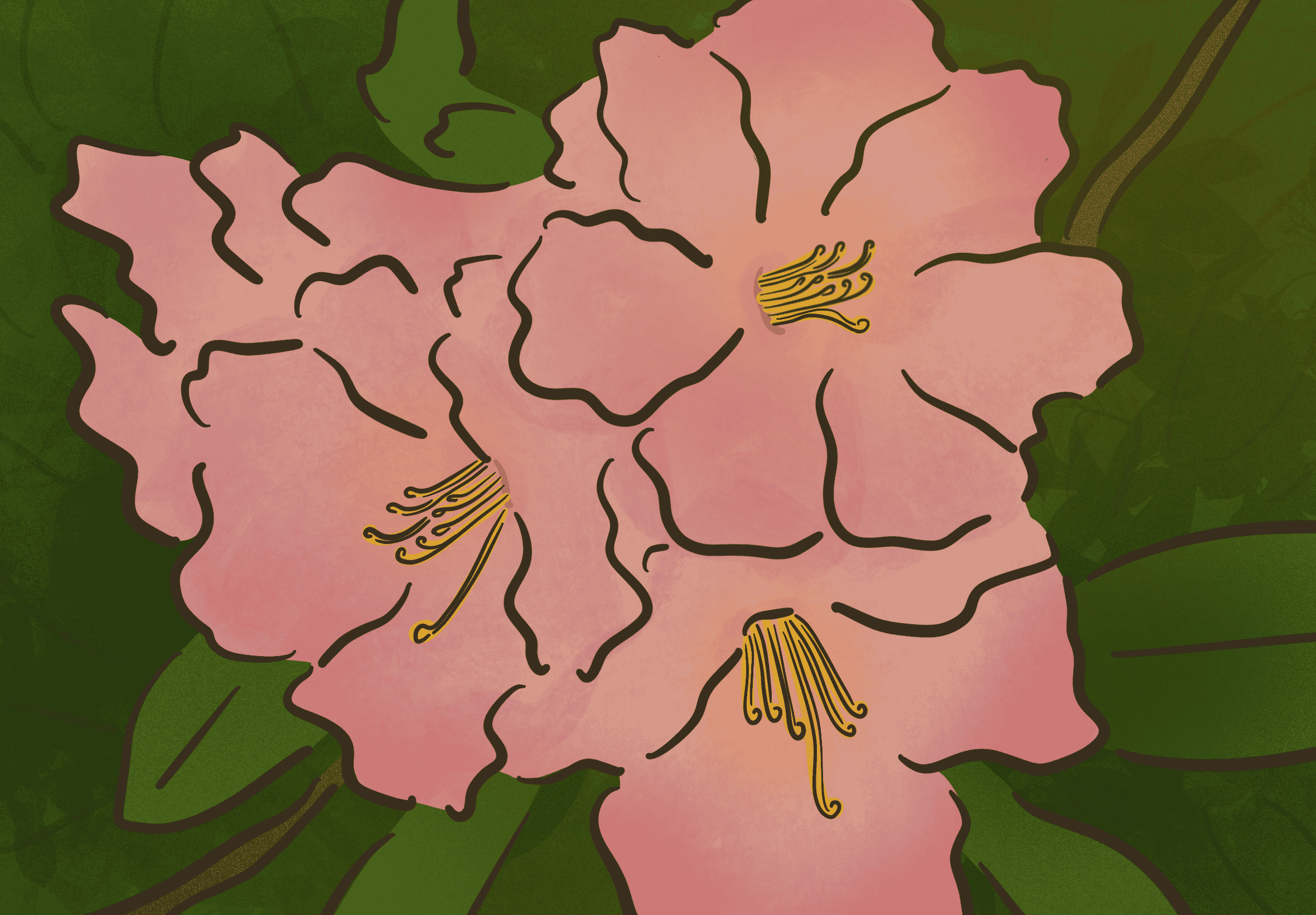 4. True or false: Poricidal plants are those that harm other plants.
True
False
Previous Next
5. Who proposed the concept of geolinguistics?
Linnaeus
Pliny the Elder
Henry David Thoreau
Ursula K. Le Guin
Previous Next
4. True or false: Poricidal plants are those that harm other plants.
True
False
Previous Next
5. Who proposed the concept of geolinguistics?
Linnaeus
Pliny the Elder
Henry David Thoreau
Ursula K. Le Guin
Previous Next
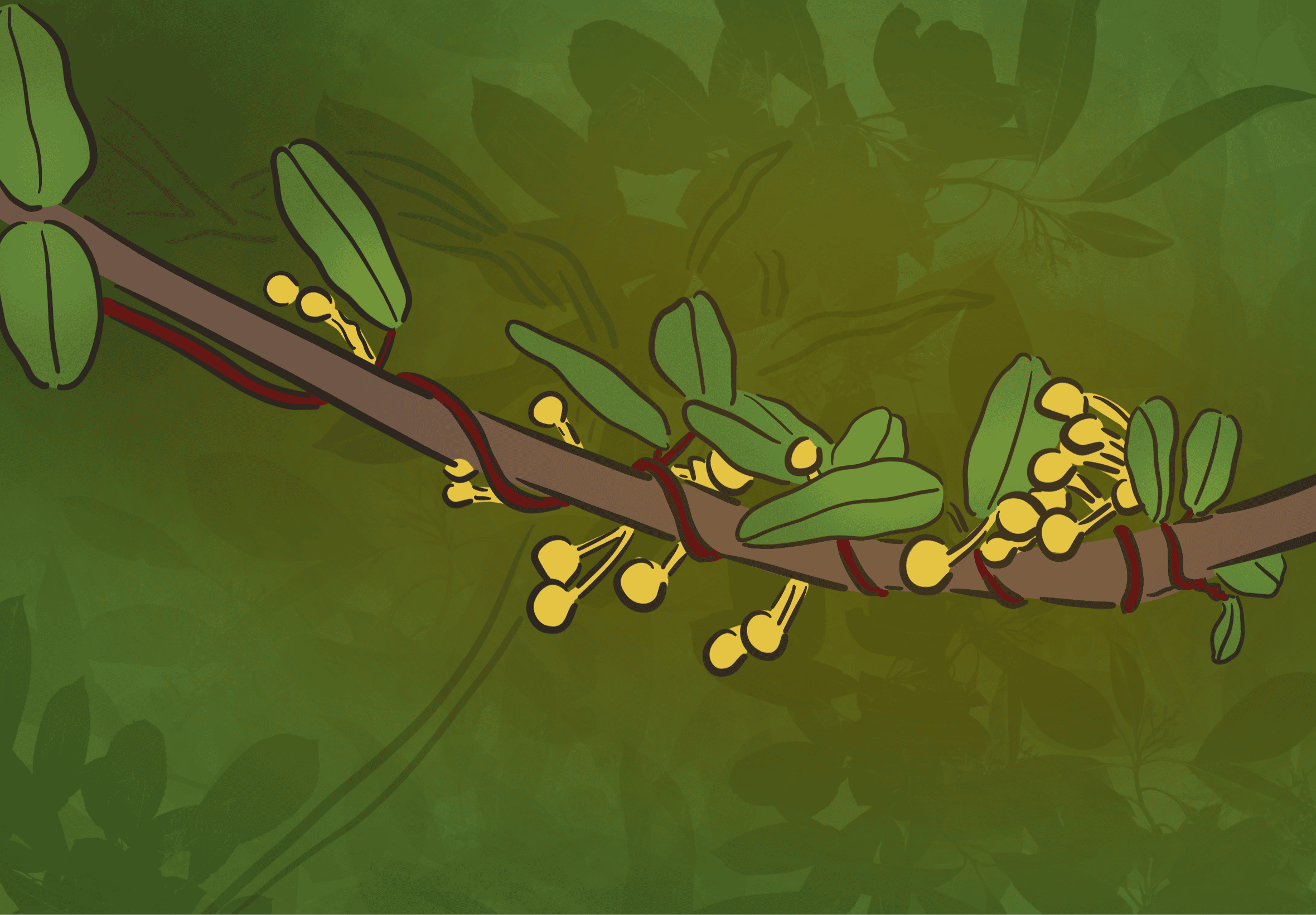 6. Many plants’ scientific names come from Latin roots. But the Boquila trifoliolata, known as the chameleon vine thanks to its ability to mimic nearby plants, gets part of its name from what other language or family?
Basque
Amharic
Mapuche
Tagalog
Previous Next
6. Many plants’ scientific names come from Latin roots. But the Boquila trifoliolata, known as the chameleon vine thanks to its ability to mimic nearby plants, gets part of its name from what other language or family?
Basque
Amharic
Mapuche
Tagalog
Previous Next
 7. Heliotropes are plants that do what?
Change colors
Grow in the tropics
Open in the daytime
Turn toward the sun
Previous Next
7. Heliotropes are plants that do what?
Change colors
Grow in the tropics
Open in the daytime
Turn toward the sun
Previous Next
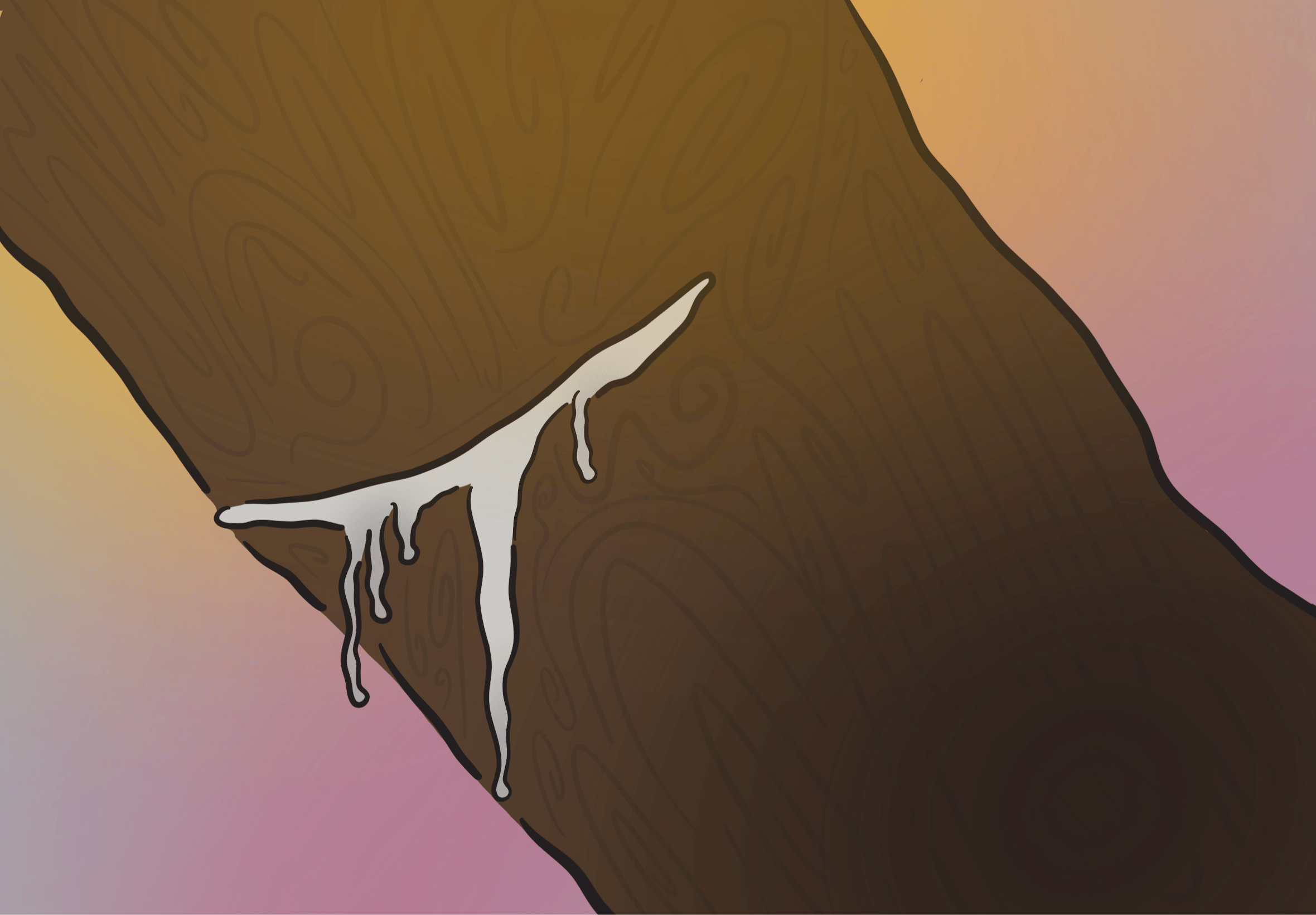 8. Copal, a tree resin used ceremonially in some precolonial and contemporary Mesoamerican communities, owes its name to a word meaning what?
Incense
Cup
Couple
Sky
Previous Submit
8. Copal, a tree resin used ceremonially in some precolonial and contemporary Mesoamerican communities, owes its name to a word meaning what?
Incense
Cup
Couple
Sky
Previous Submit
Δ
Sydney Boles
Advertisement
Stats
- Recommendations n/a n/a positive of 0 vote(s)
- Views 24
- Comments 0