
Quiz based on Daniel Lieberman’s new book looks at food fads through evolutionary lens

Illustrations by Liz Zonarich/Harvard Staff
Health Which diet is right for you? Wrong question.Sy Boles
Harvard Staff Writer
August 26, 2026 1 min read Quiz based on Daniel Lieberman’s new book looks at food fads through evolutionary lensHumans didn’t evolve to shop for food that has been collected, packaged with nutritional information, and arranged by category in brightly lit supermarkets. In fact, we didn’t evolve to choose our food at all.
In his new book, “Fed Up: What Evolution Reveals about Food, Diet, Health, and Eating Well,” Daniel Lieberman, Edwin M. Lerner II Professor of Biological Sciences in the Department of Human Evolutionary Biology, explores how our ancestors evolved to eat almost anything they could hunt, gather, or grow in whatever habitat they happened to find themselves. Which makes the modern American diet’s embarrassment of riches a real conundrum. Should we eat low-carb or low-fat, vegan or strictly animal products?
In “Fed Up,” Lieberman argues that most diets cling too firmly to one “big idea” and that they can, and should be, much more flexible. Lieberman helped us develop this quiz based on the book to help us make sense of it all.
&&&Step 1 of 10
10%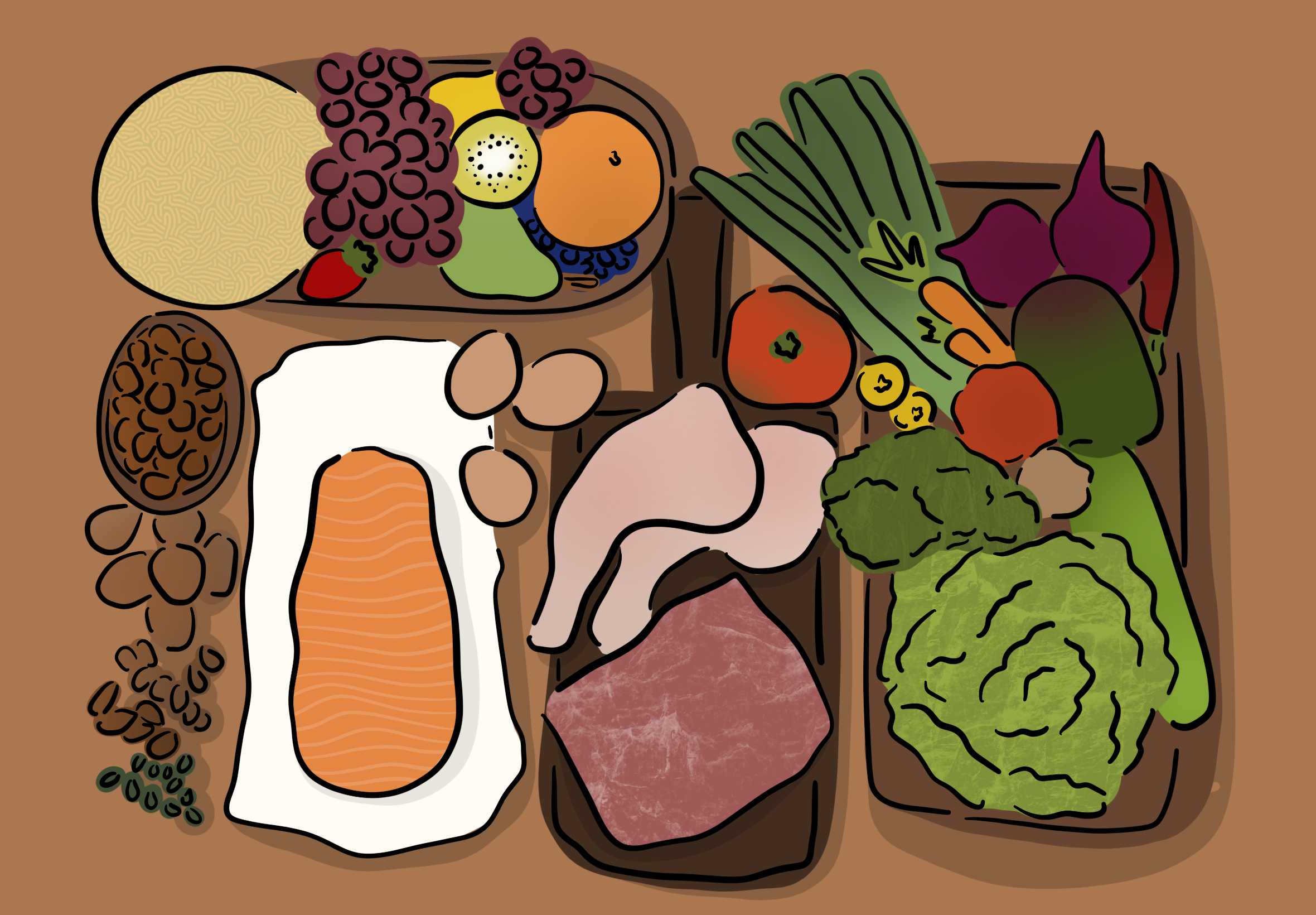 1. The Paleo diet recommends eating like “hunter-gatherers,” with a focus on lean meats, fruits, and vegetables. But what is actually true about how contemporary hunter-gatherers eat?
Most hunter-gatherer societies get a majority of their calories from animal foods.
Most hunter-gatherer societies get a majority of their calories from plant foods.
There is great variety in the diets of hunter-gatherer societies.
Next
1. The Paleo diet recommends eating like “hunter-gatherers,” with a focus on lean meats, fruits, and vegetables. But what is actually true about how contemporary hunter-gatherers eat?
Most hunter-gatherer societies get a majority of their calories from animal foods.
Most hunter-gatherer societies get a majority of their calories from plant foods.
There is great variety in the diets of hunter-gatherer societies.
Next
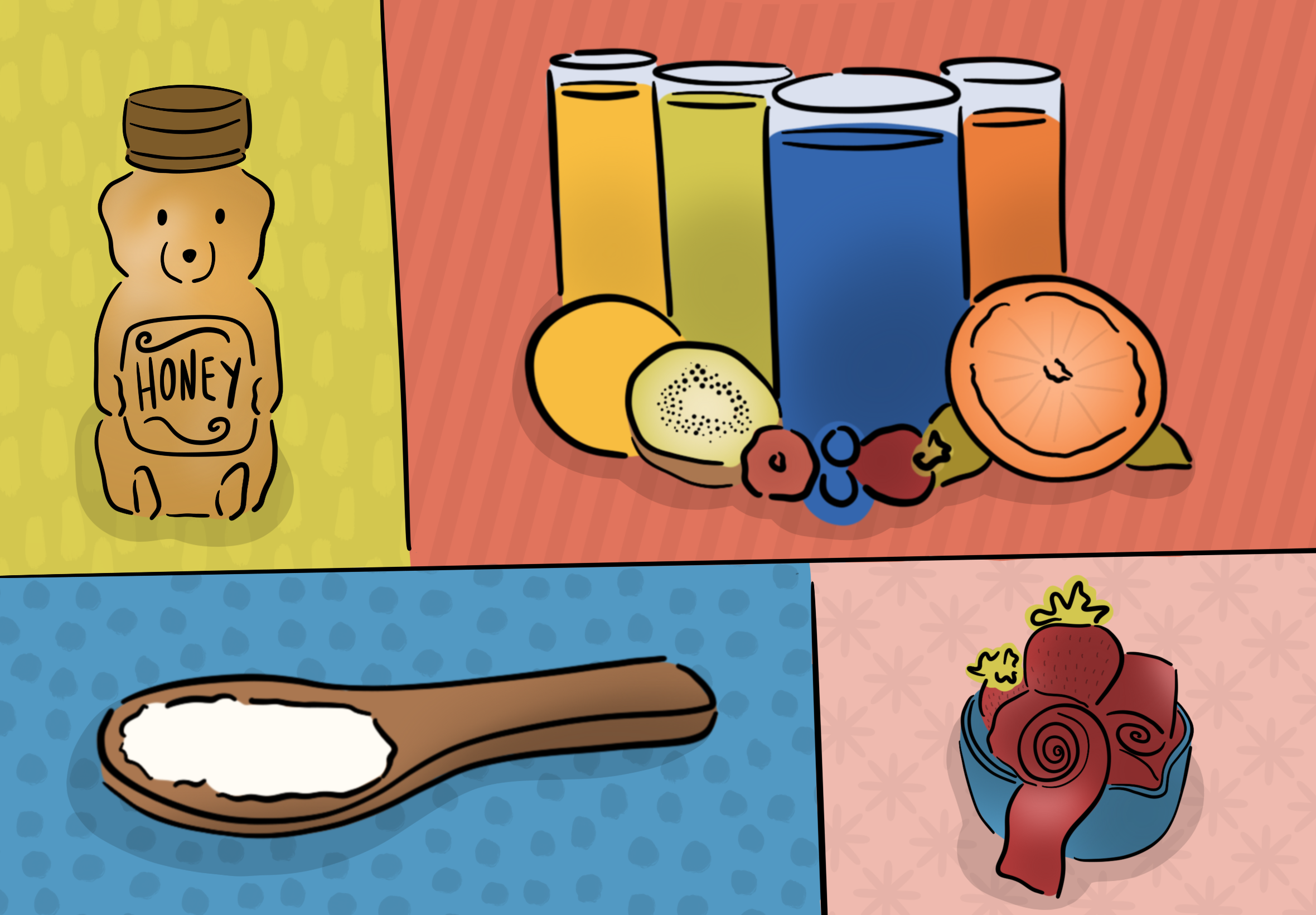 2. Anthropologists look to contemporary hunter-gatherer societies to learn about our ancestors with similar lifestyles — including their diet. Which of the following plays a surprisingly large role in the diet of the Hadza, a hunter-gatherer society in Tanzania?
Honey
Beet sugar
Fruit juice
Fruit leather
Previous Next
3. Which evolutionary change helped early humans include meat in their diet?
Our unusually large brains
Our flat molars
Our high level of body fat
Our highly acidic stomachs
Previous Next
4. True or false: Evidence suggests that soon after our ancestors diverged from chimpanzees, they started cooking.
True
False
Previous Next
2. Anthropologists look to contemporary hunter-gatherer societies to learn about our ancestors with similar lifestyles — including their diet. Which of the following plays a surprisingly large role in the diet of the Hadza, a hunter-gatherer society in Tanzania?
Honey
Beet sugar
Fruit juice
Fruit leather
Previous Next
3. Which evolutionary change helped early humans include meat in their diet?
Our unusually large brains
Our flat molars
Our high level of body fat
Our highly acidic stomachs
Previous Next
4. True or false: Evidence suggests that soon after our ancestors diverged from chimpanzees, they started cooking.
True
False
Previous Next
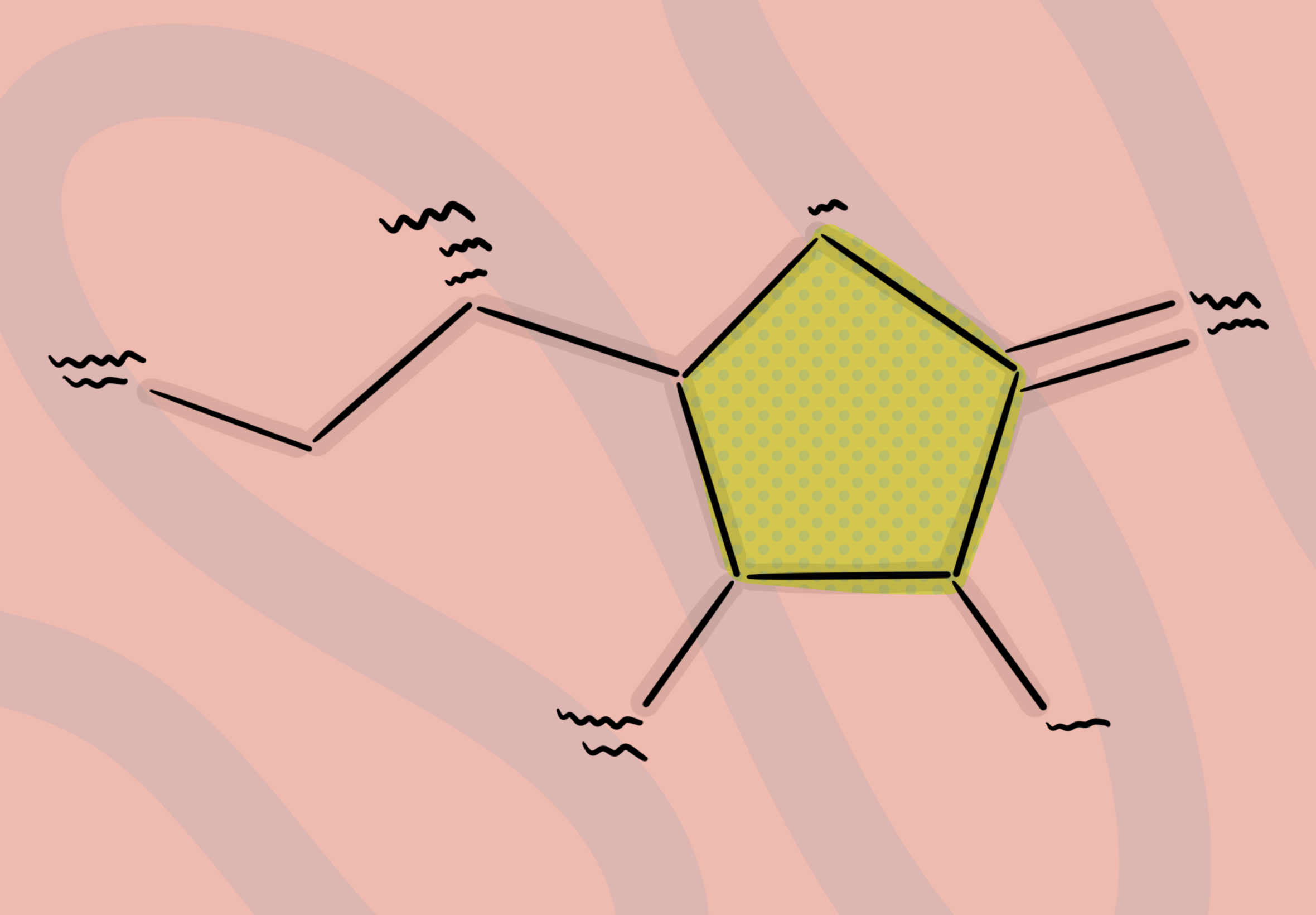 5. Which of the following compounds do humans not manufacture on our own?
Vitamin C
Dopamine
Gastric acid
Keratin
Previous Next
6. How did ancient hunter-gatherers’ diets change in the transition to agriculture?
They got less variety of foods.
They became vegetarians.
They increased the nutrient-density of their foods.
Previous Next
5. Which of the following compounds do humans not manufacture on our own?
Vitamin C
Dopamine
Gastric acid
Keratin
Previous Next
6. How did ancient hunter-gatherers’ diets change in the transition to agriculture?
They got less variety of foods.
They became vegetarians.
They increased the nutrient-density of their foods.
Previous Next
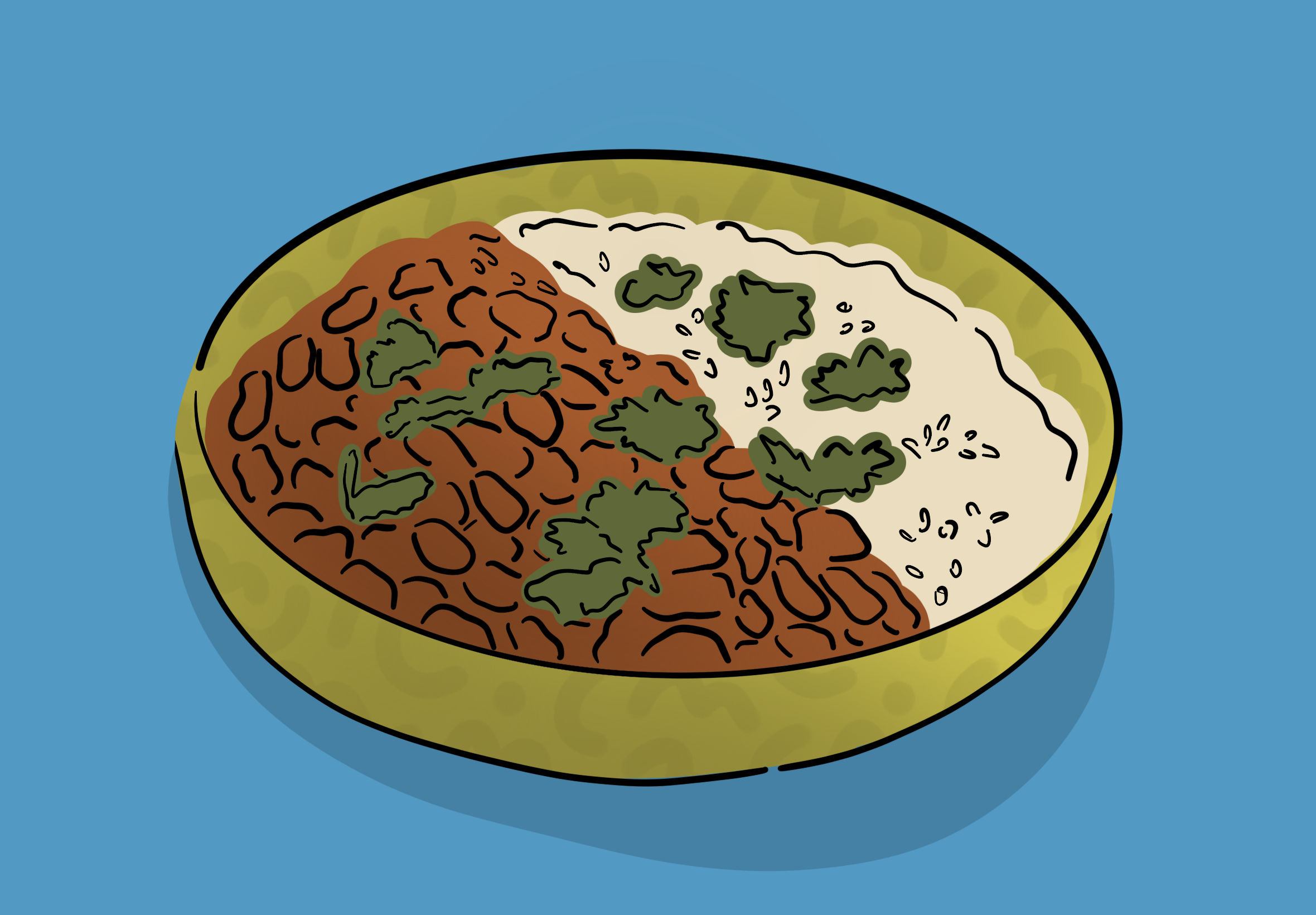 7. The combination of rice and beans, a staple of cultures around the world, hits what important nutritional metric?
It’s the ideal balance of protein, carbohydrates, and fats.
It contains all nine essential amino acids that the human body can’t produce on its own.
It’s anti-inflammatory.
It cures cancer.
Previous Next
8. Which of the following is true of the Mediterranean diet?
It’s meat-rich and low in saturated fat.
It’s meat-rich and high in saturated fat.
It’s plant-rich and low in saturated fat.
It’s plant-rich and high in saturated fat.
Previous Next
7. The combination of rice and beans, a staple of cultures around the world, hits what important nutritional metric?
It’s the ideal balance of protein, carbohydrates, and fats.
It contains all nine essential amino acids that the human body can’t produce on its own.
It’s anti-inflammatory.
It cures cancer.
Previous Next
8. Which of the following is true of the Mediterranean diet?
It’s meat-rich and low in saturated fat.
It’s meat-rich and high in saturated fat.
It’s plant-rich and low in saturated fat.
It’s plant-rich and high in saturated fat.
Previous Next
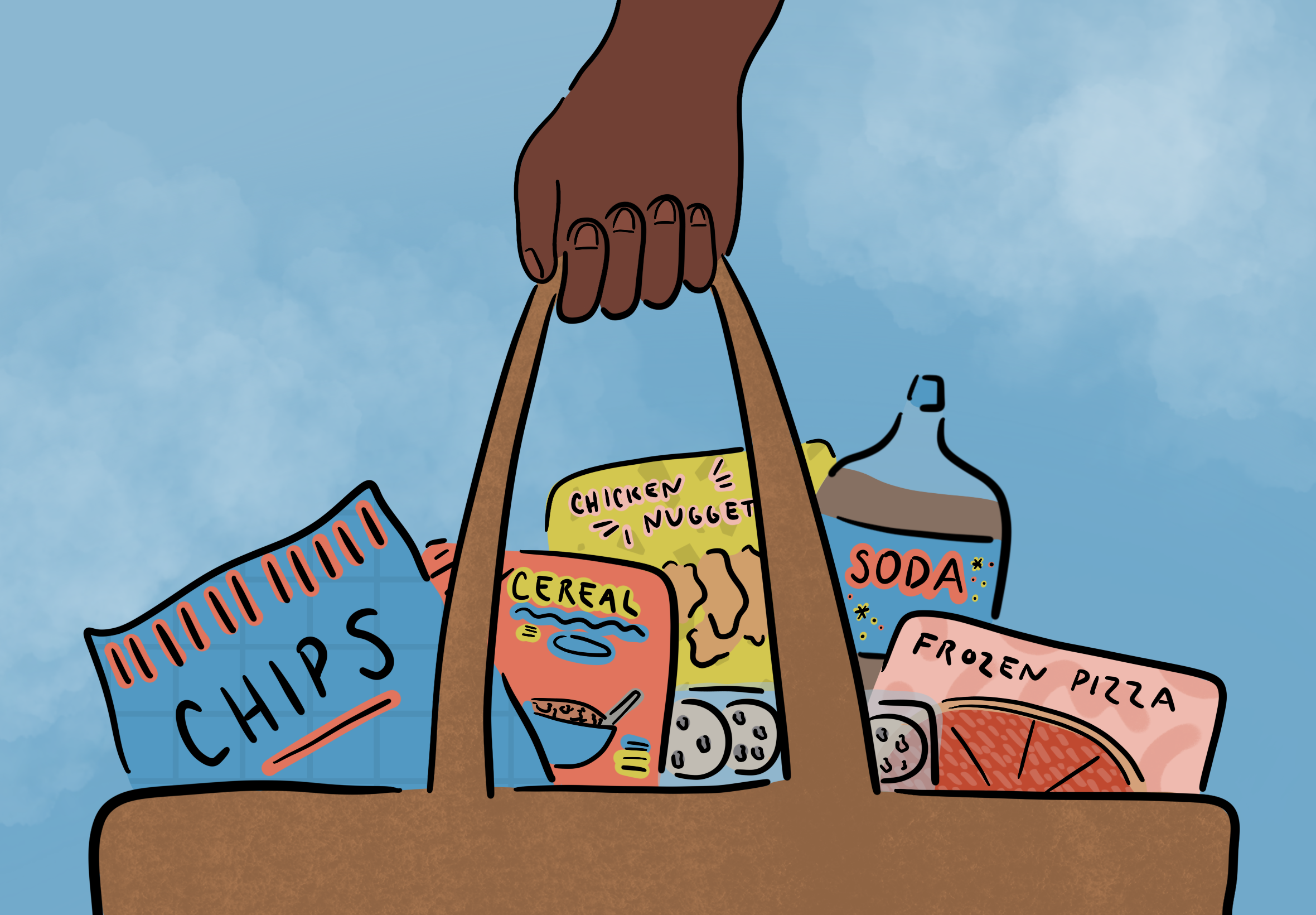 9. About how much of the average American’s daily caloric intake is made up of ultra-processed foods?
28 percent
43 percent
55 percent
68 percent
Previous Next
9. About how much of the average American’s daily caloric intake is made up of ultra-processed foods?
28 percent
43 percent
55 percent
68 percent
Previous Next
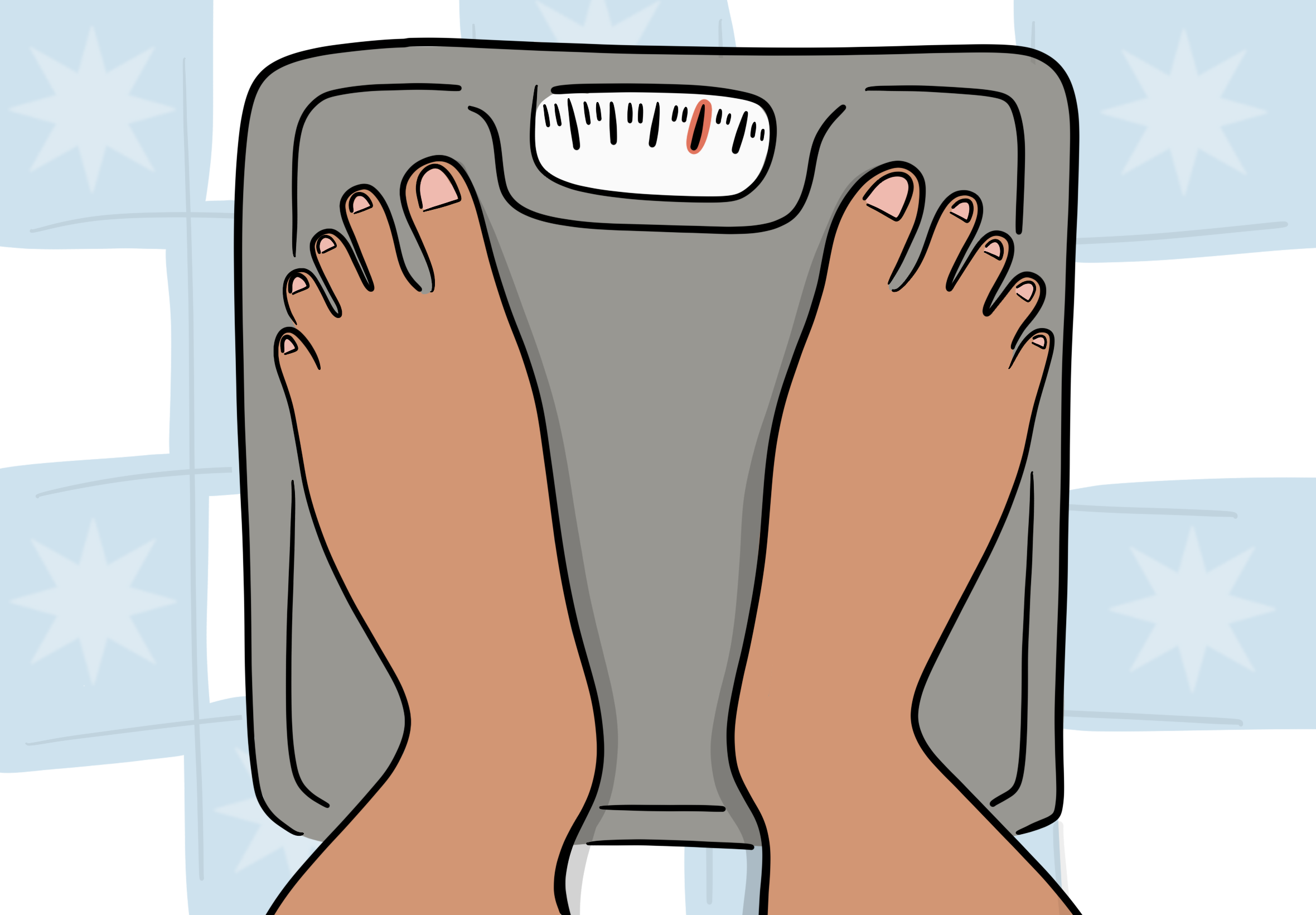 10. What percent of dieters manage to keep the weight off after their diet ends?
10
20
30
40
Previous Submit
10. What percent of dieters manage to keep the weight off after their diet ends?
10
20
30
40
Previous Submit
Δ
Sydney Boles
Advertisement
Stats
- Recommendations n/a n/a positive of 0 vote(s)
- Views 4
- Comments 0